Our Story
A living legacy
For over 130 years, Menzner Hardwoods has remained committed to our roots while growing to serve the ever-changing needs of our customers. Through five generations of family ownership, we've created a legacy we're proud of.
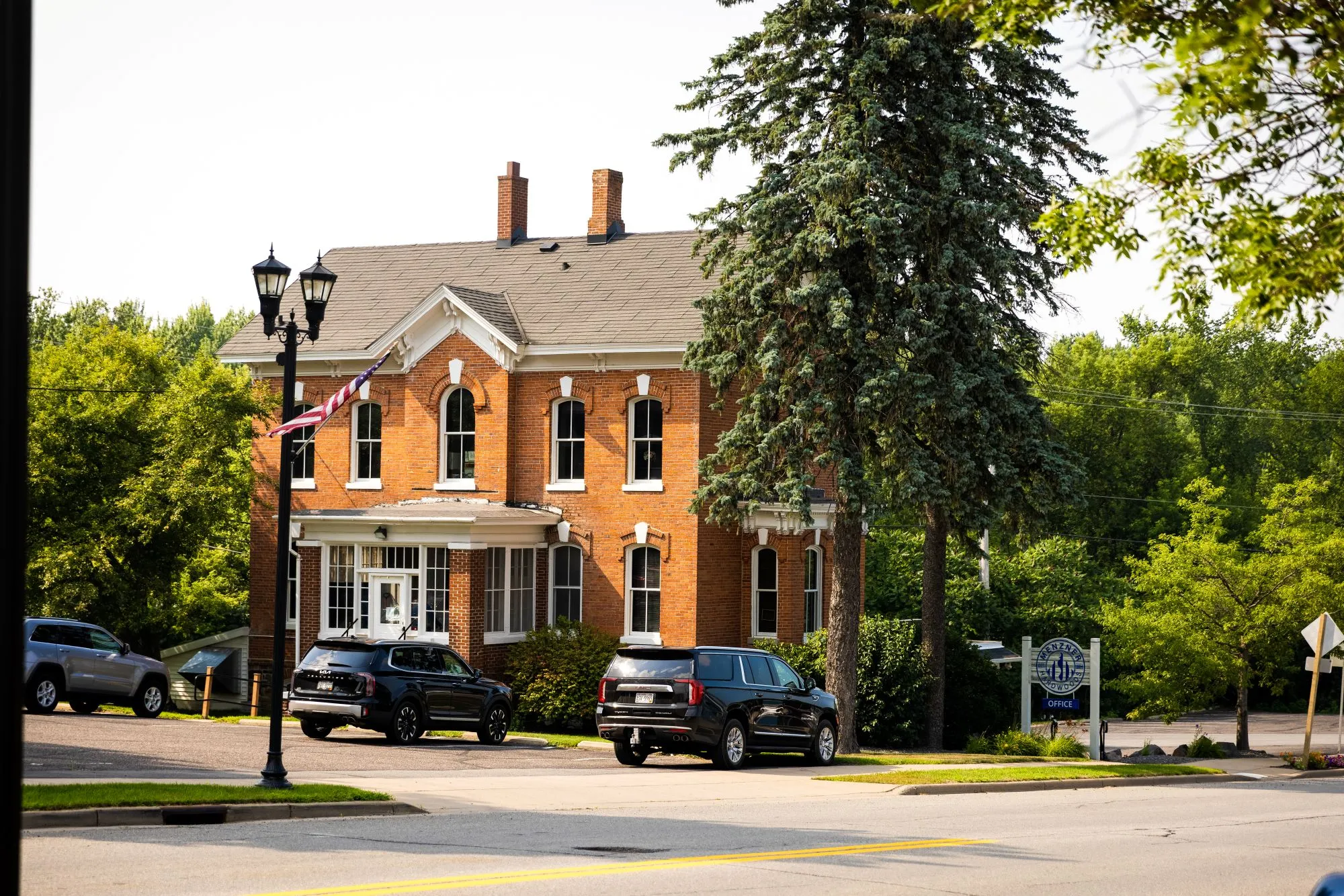
For over 130 years, Menzner Hardwoods has remained committed to our roots while growing to serve the ever-changing needs of our customers. Through five generations of family ownership, we've created a legacy we're proud of.
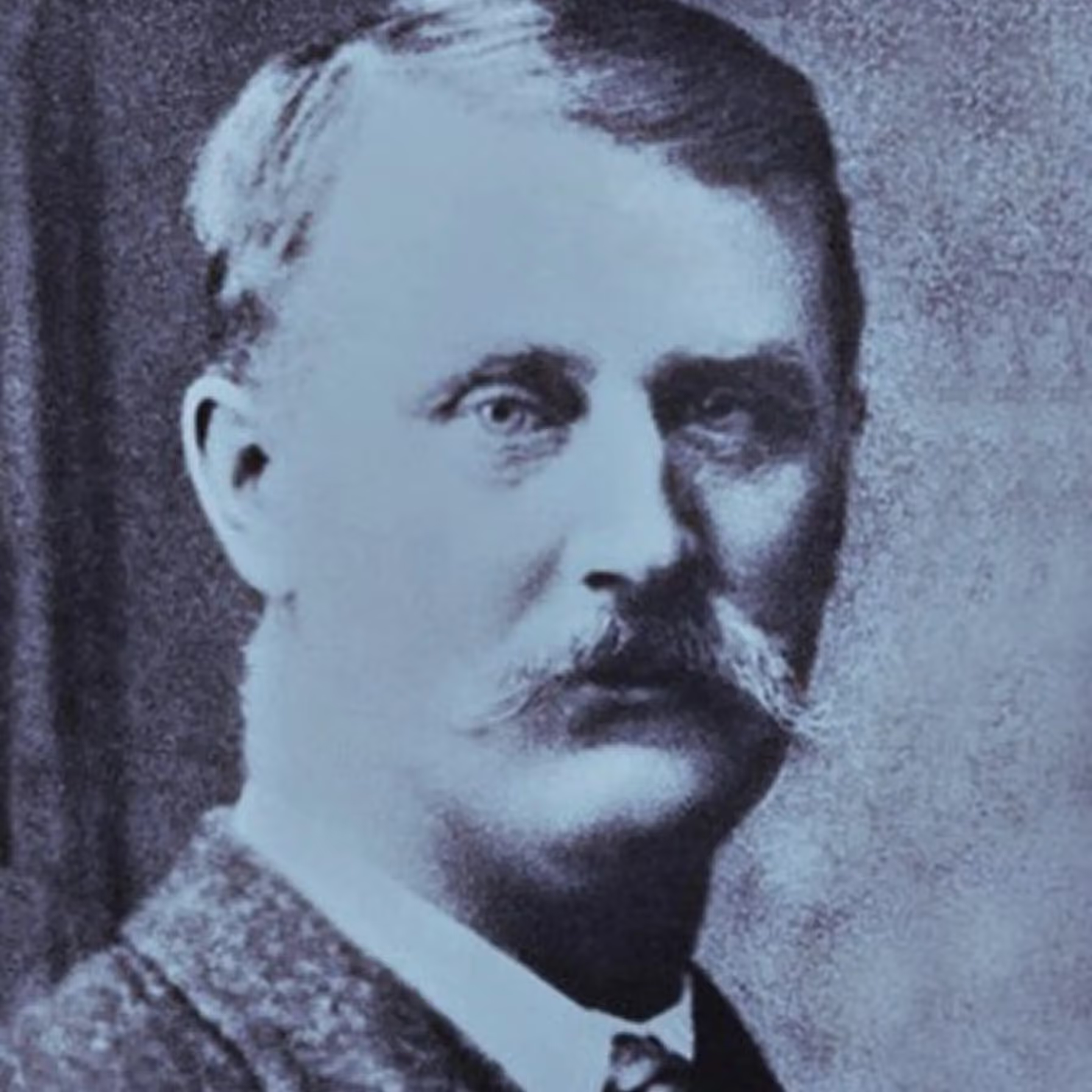
Philip Menzner, Sr., born in Rhinepfalz, Germany, immigrates to the United States at the age of 16. After a few years of working around Wisconsin at various lumber camps, Philip settles in Marathon City, WI. Here he would begin his career at the Fricke Family sawmill, and go on to serve as an integral pillar of the community.

Philip Menzner Sr. becomes a partner in the family business with his father-in-law, Henry Fricke, and builds a saw and planning mill alongside the Rib River named Menzner Sawmill and Lumber Yard - Flour and Grist Mill.
Several years after the partnership began, Philip took over as the sole owner of the business. During the early years of operation, logs are cut in logging camps up north and put on large blocks of ice freed up by the spring thaw to float downriver to the Menzner sawmill. This same sawmill stood until 1972. Four generations later, the Marathon City plant still stands on the original site.

While the early 1900s marked a very successful period for the sawmill, the company also overcame great adversity caused by a series of fires.
In 1919, the Marathon Times published an article stating "Mr. Menzner picks up new courage and starts up again with renewed energies, determined to win out in the end in spite of all his misfortunes by fire losses."

On April 11th 1924, Philip Menzner Sr. incorporates the business and changes the name to Menzner Lumber and Supply Company. This decision is made so the business could sell lumber directly to consumers.
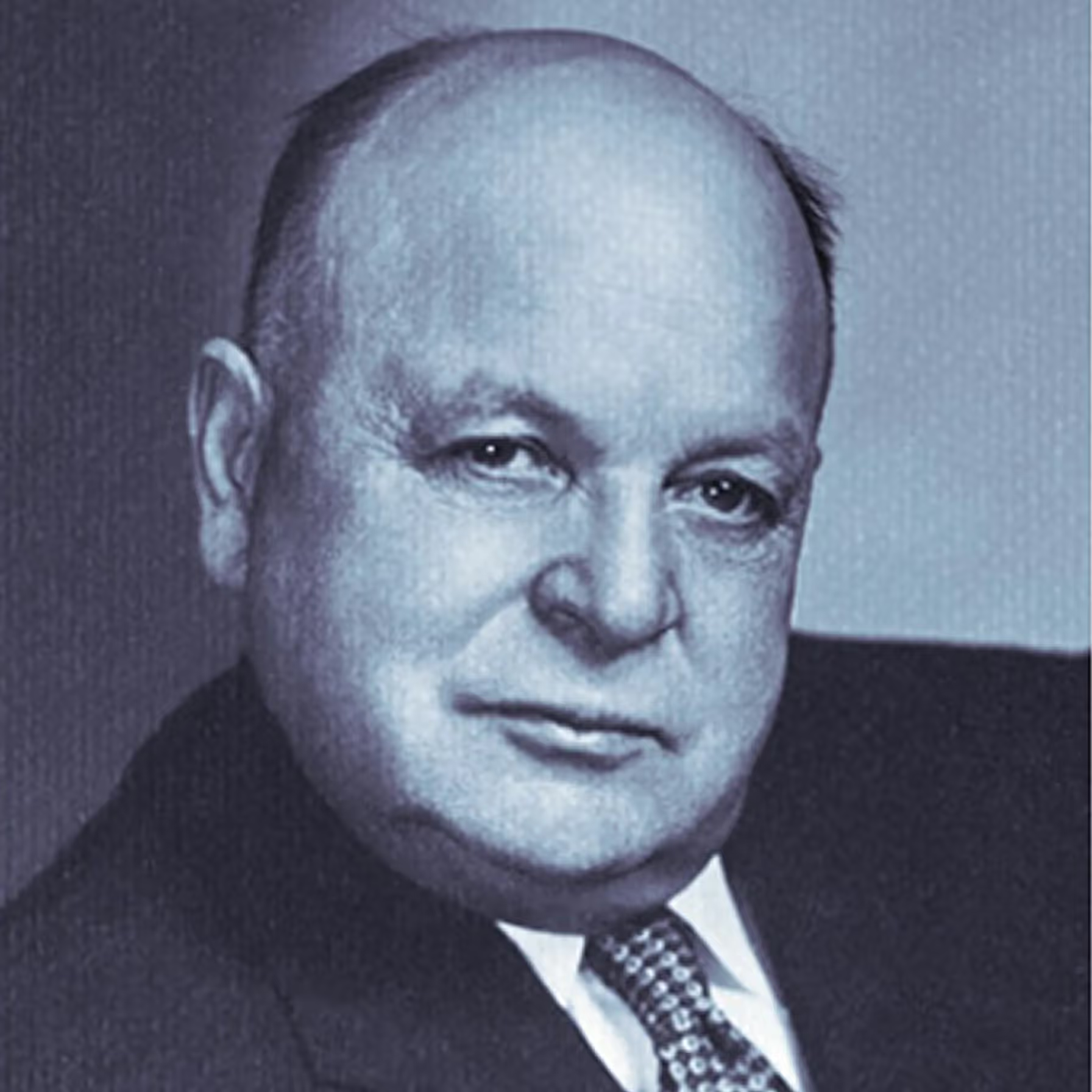
After Philip Menzner Sr.'s death in 1924, his sons Fred and Philip Jr. take over operation of the company and, as their father had before them, continue to research the lumber market for innovative ways to capture business. Philip Menzner Jr. oversees the retail lumber yard. His brother Fred Menzner is given control of the sawmill operation.
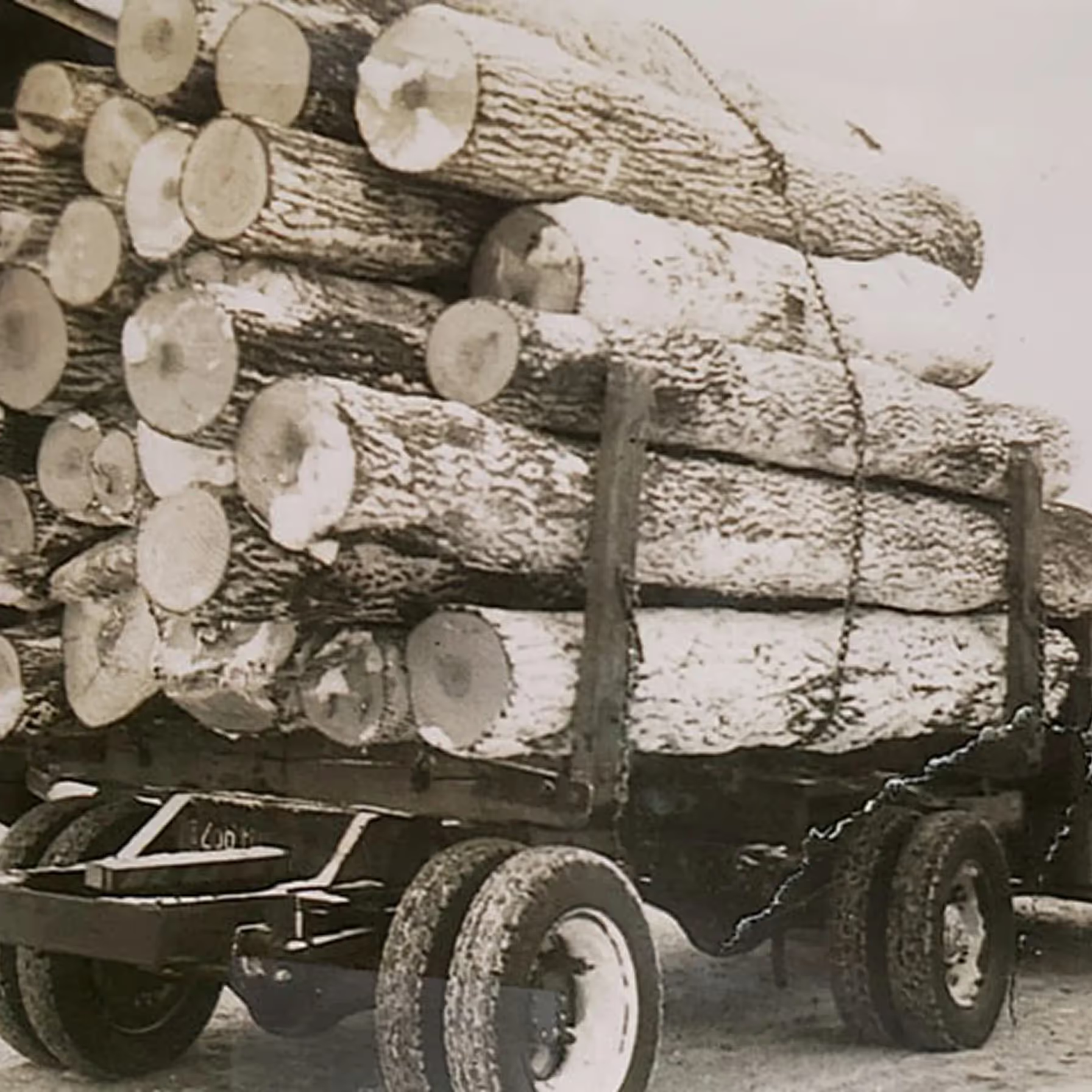
Philip Jr. and Fred work hard to continue sourcing timber in bulk to provide for sawmill customers. Additionally, recognizing a growing opportunity in the market, they begin producing hardwood mouldings on a limited scale.
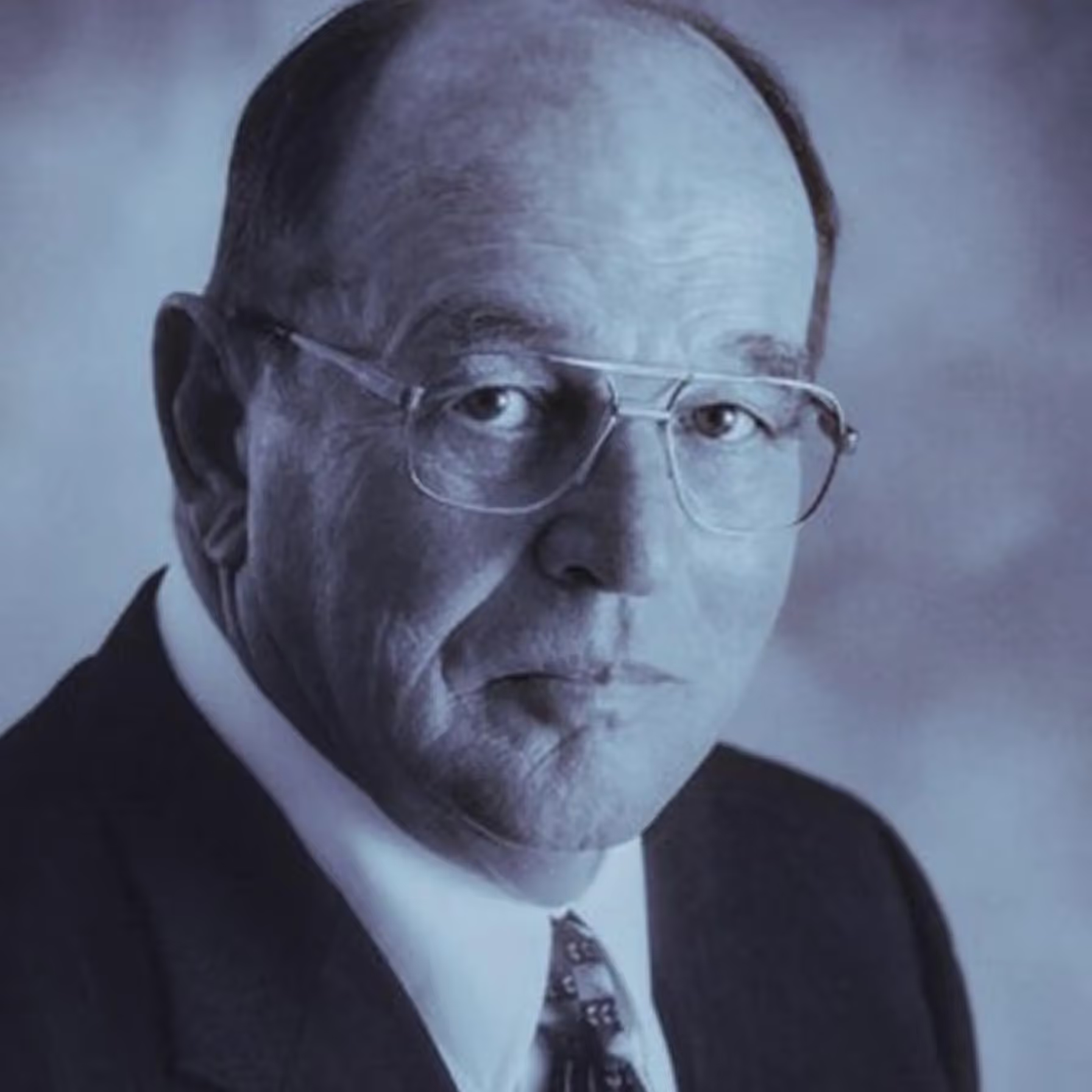
Robert Menzner, son of Philip Menzner Jr., joins the company after his military career. Under his direction, the sawmill operation is discontinued, pivoting the company fully into hardwood moulding manufacturing.
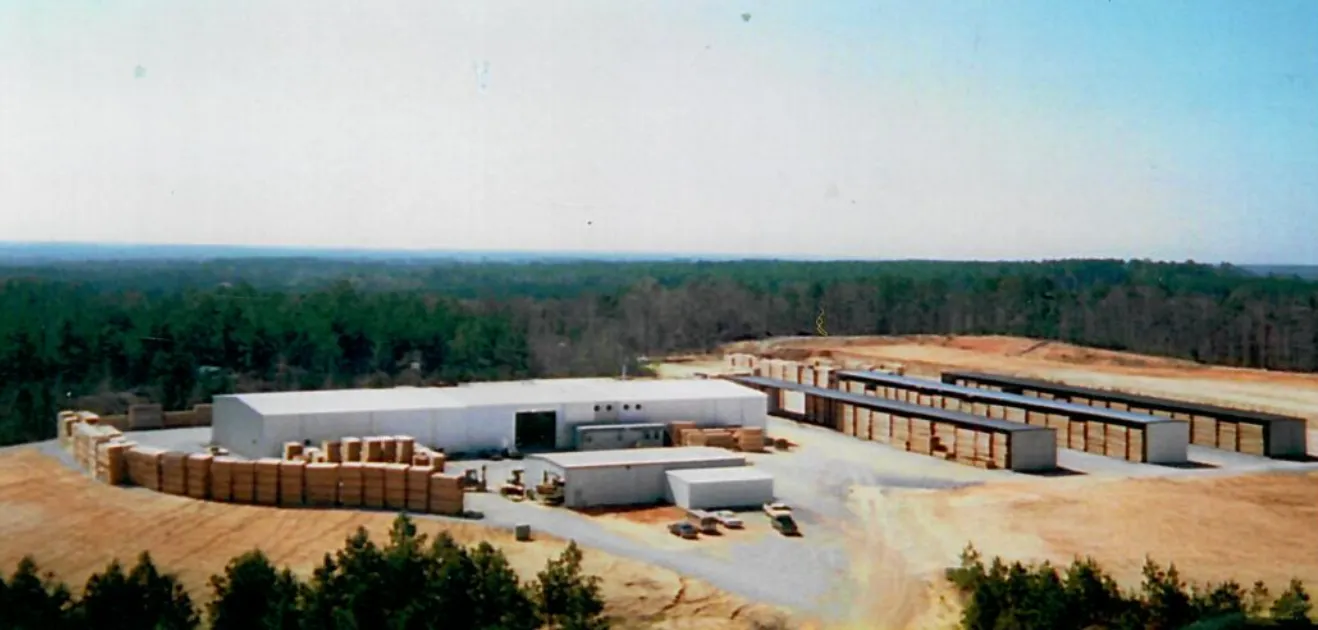
A lumber receiving and drying facility is purchased in Weir, Mississippi, marking the first expansion of company operations outside of Wisconsin.
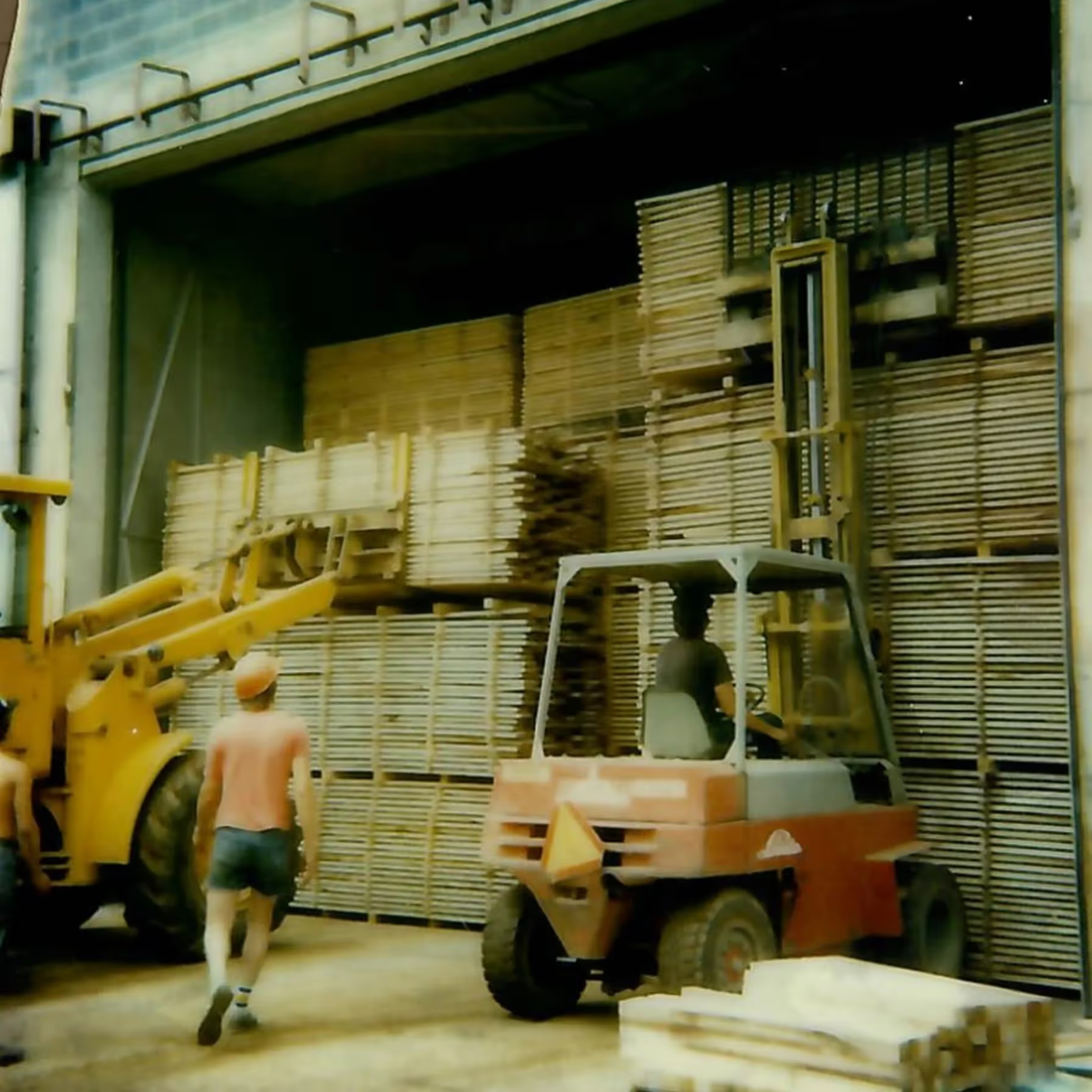
A second lumber receiving and drying facility is purchased in West Union, South Carolina. This facility was operated until 2024.
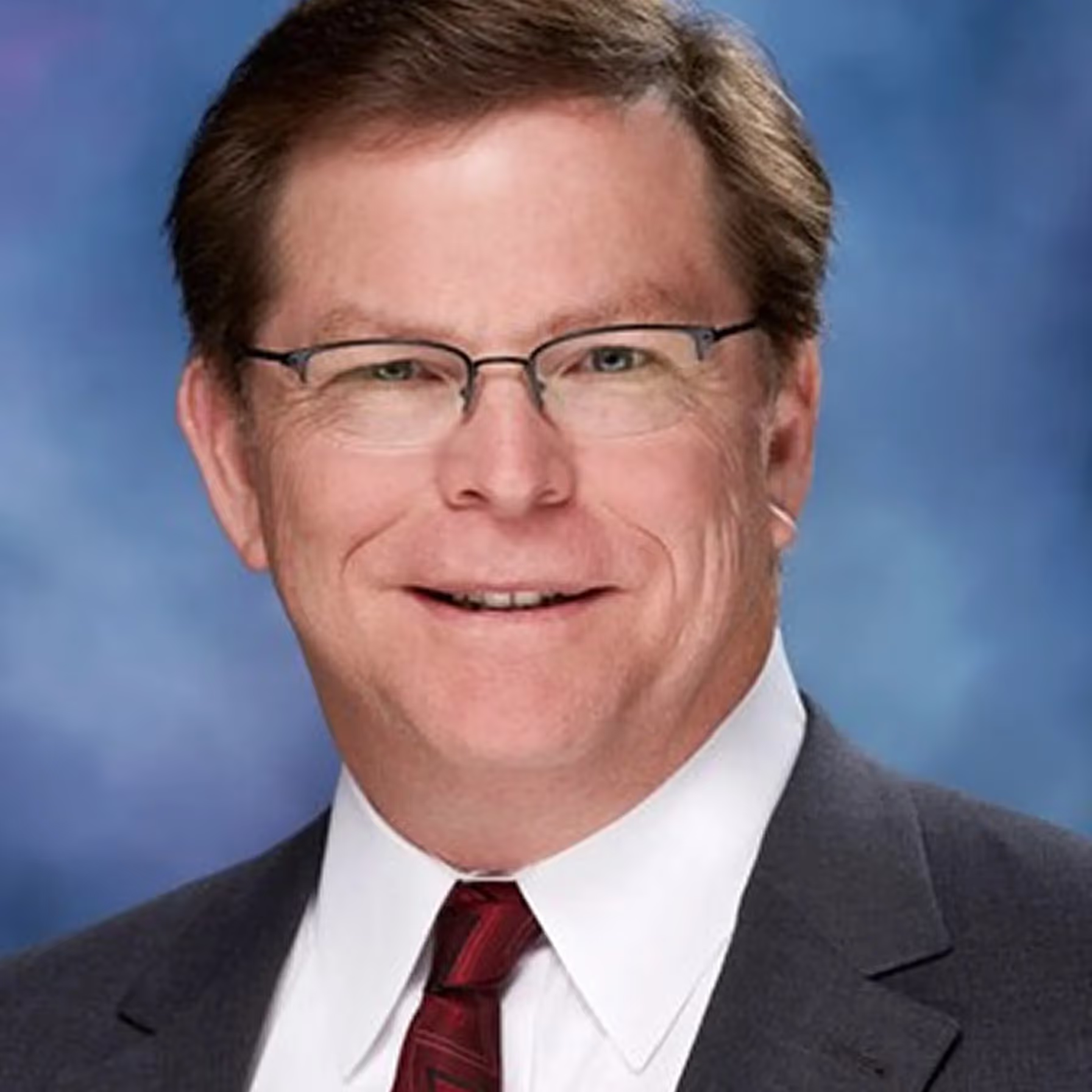
Robert Menzner retires, and his son, Philip Menzner, II, takes over as President and marking the fourth generation of Menzner family members to lead the business.
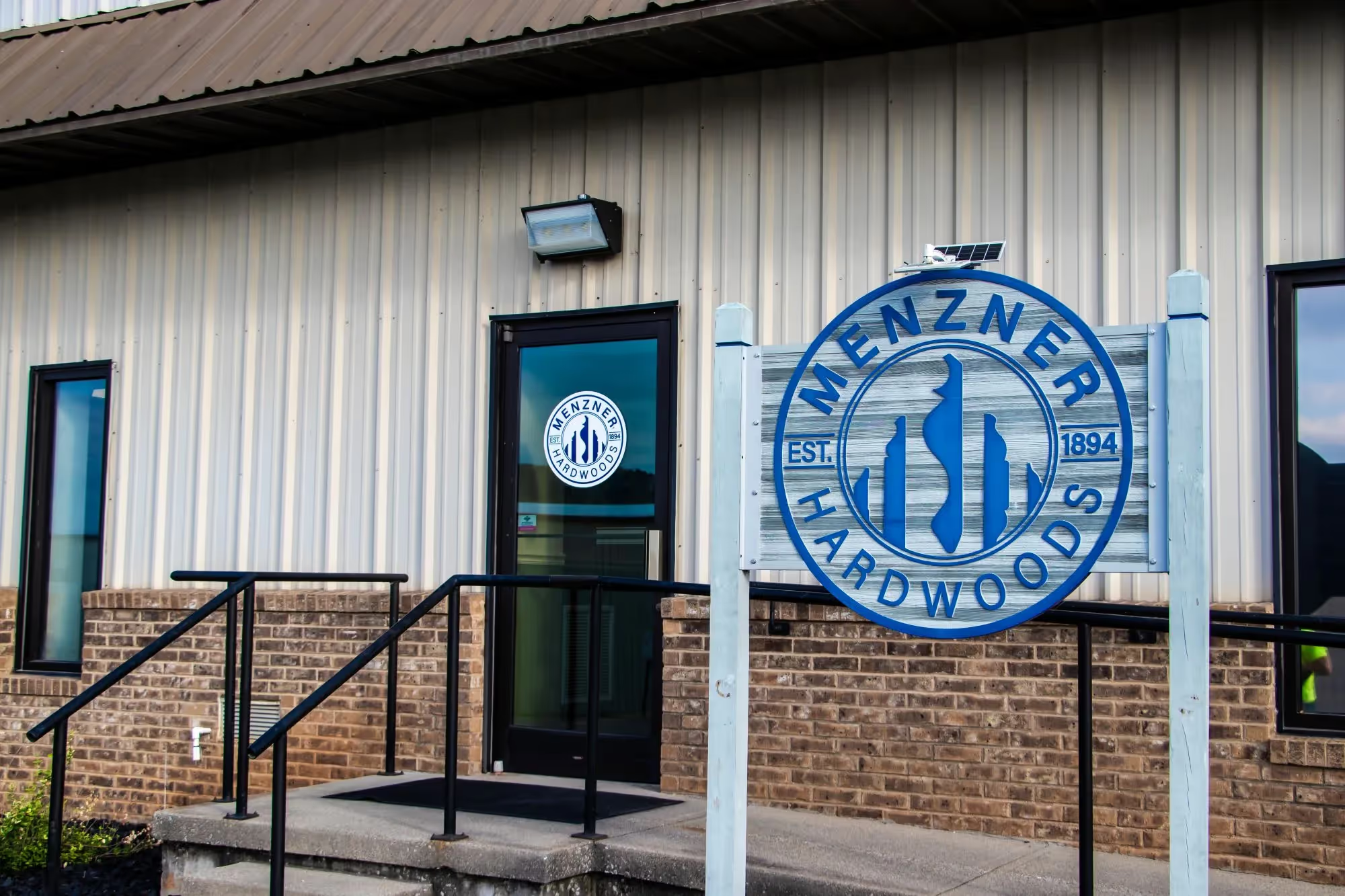
A large hardwood millwork facility is acquired in Somerset, Kentucky. This mill greatly increased production, as well as expanded capabilities to manufacture solid and finger-jointed poplar products.
The rebranding to Menzner Hardwoods Co. reflects the company's commitment to the hardwoods industry.
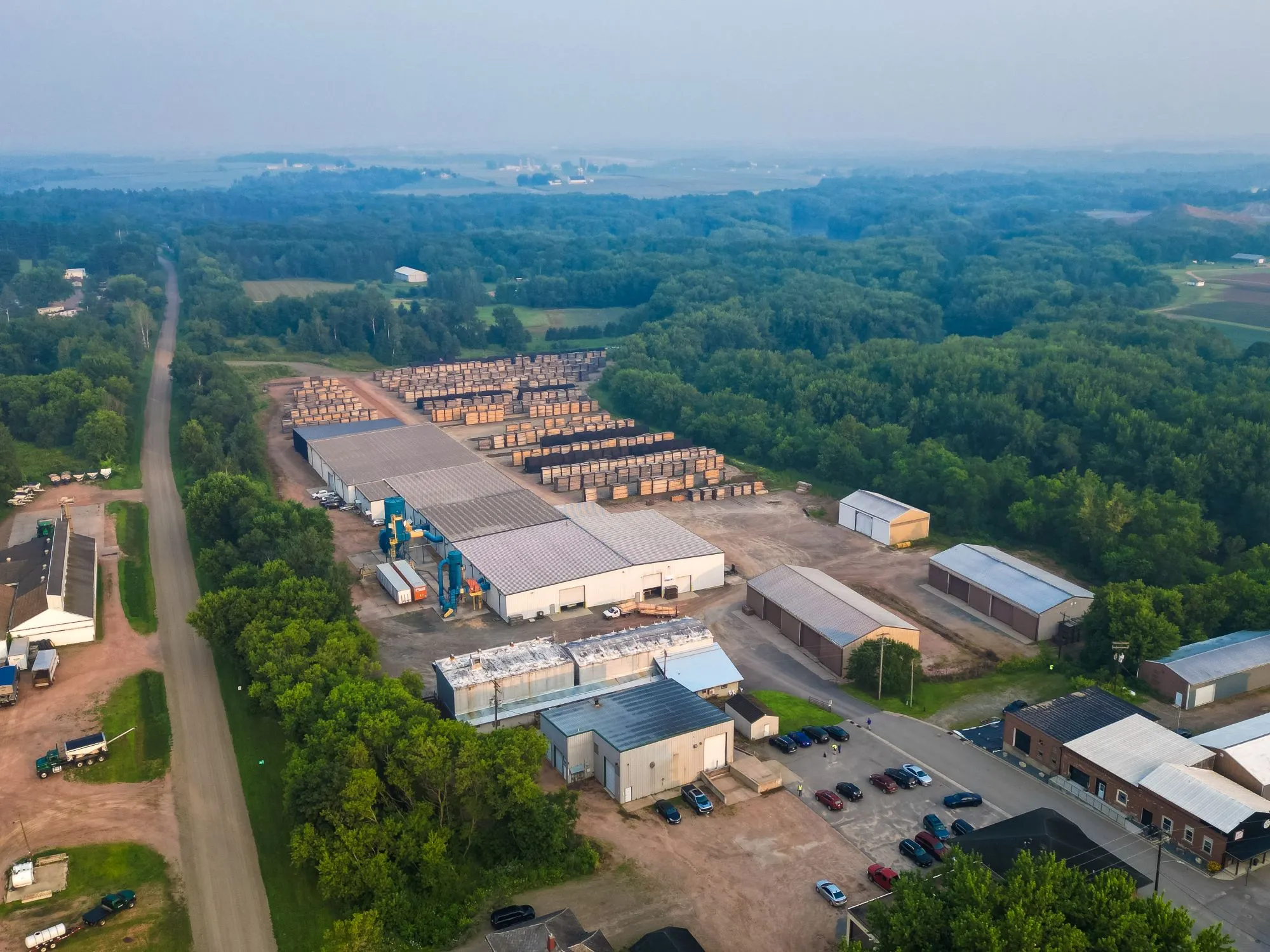
An additional production and lumber drying facility is acquired in Marathon City. The expansion increases manufacturing capacity, as well as kiln drying capacity to supplement the Southern drying yards.
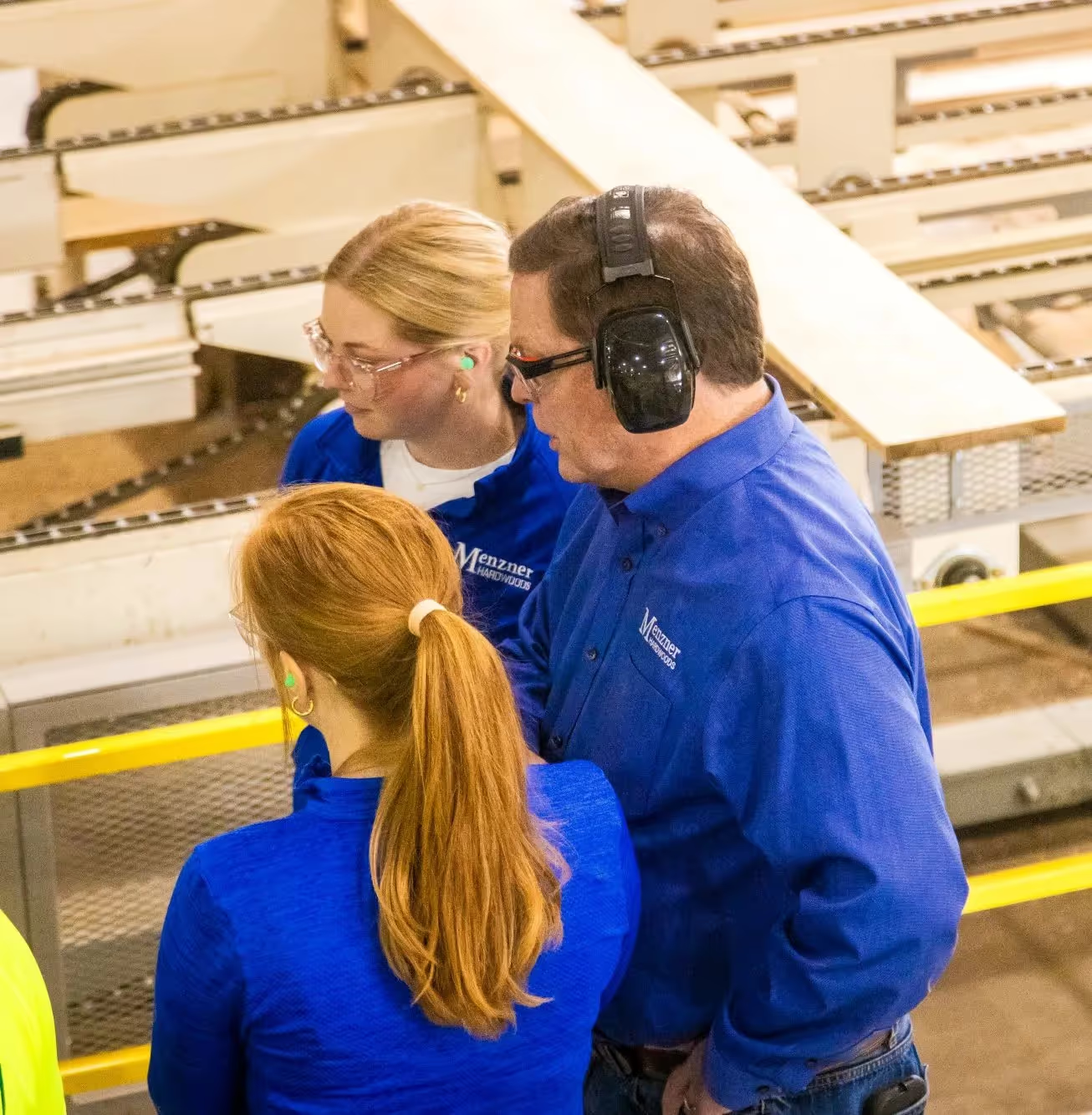
Phil welcomes daughters Katie Menzner Johnson and Erin Menzner, as well as son-in-law Patrick Johnson, as the fifth generation of Menzner family members to the business.

The acquisition further entrenches Menzner Hardwoods as a premier manufacturer in the hardwood industry and enables expansion into the cabinetry component market.